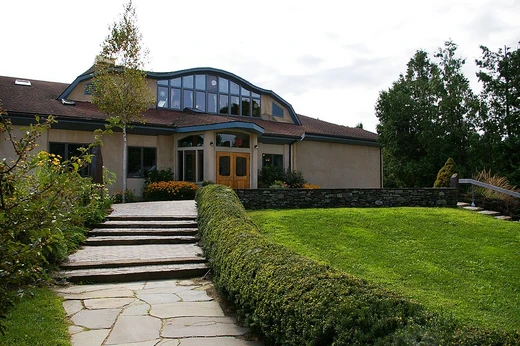
Parochial school
Private religious schools combining faith education with secular subjects.

Judgefloro · Public domain
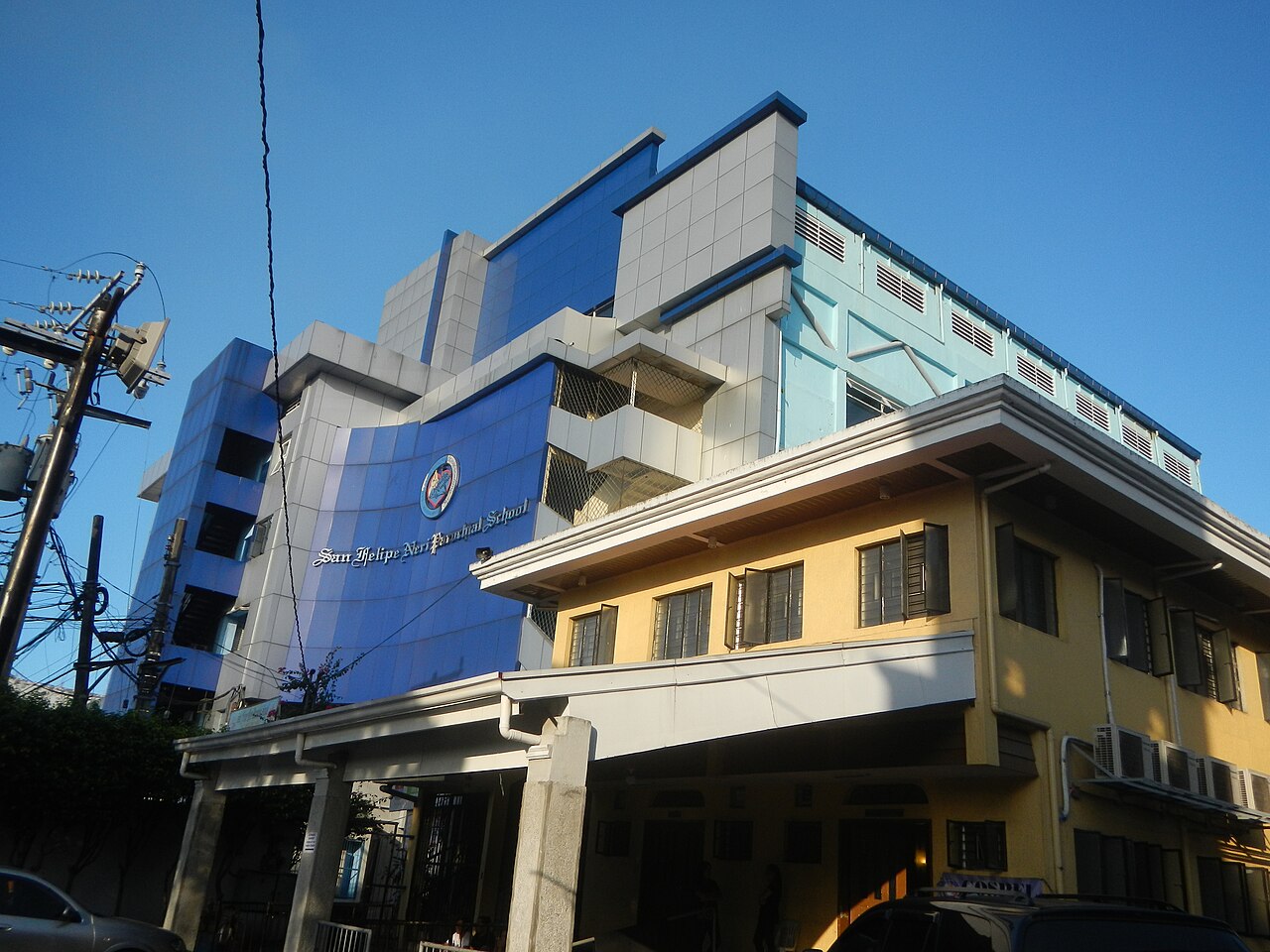
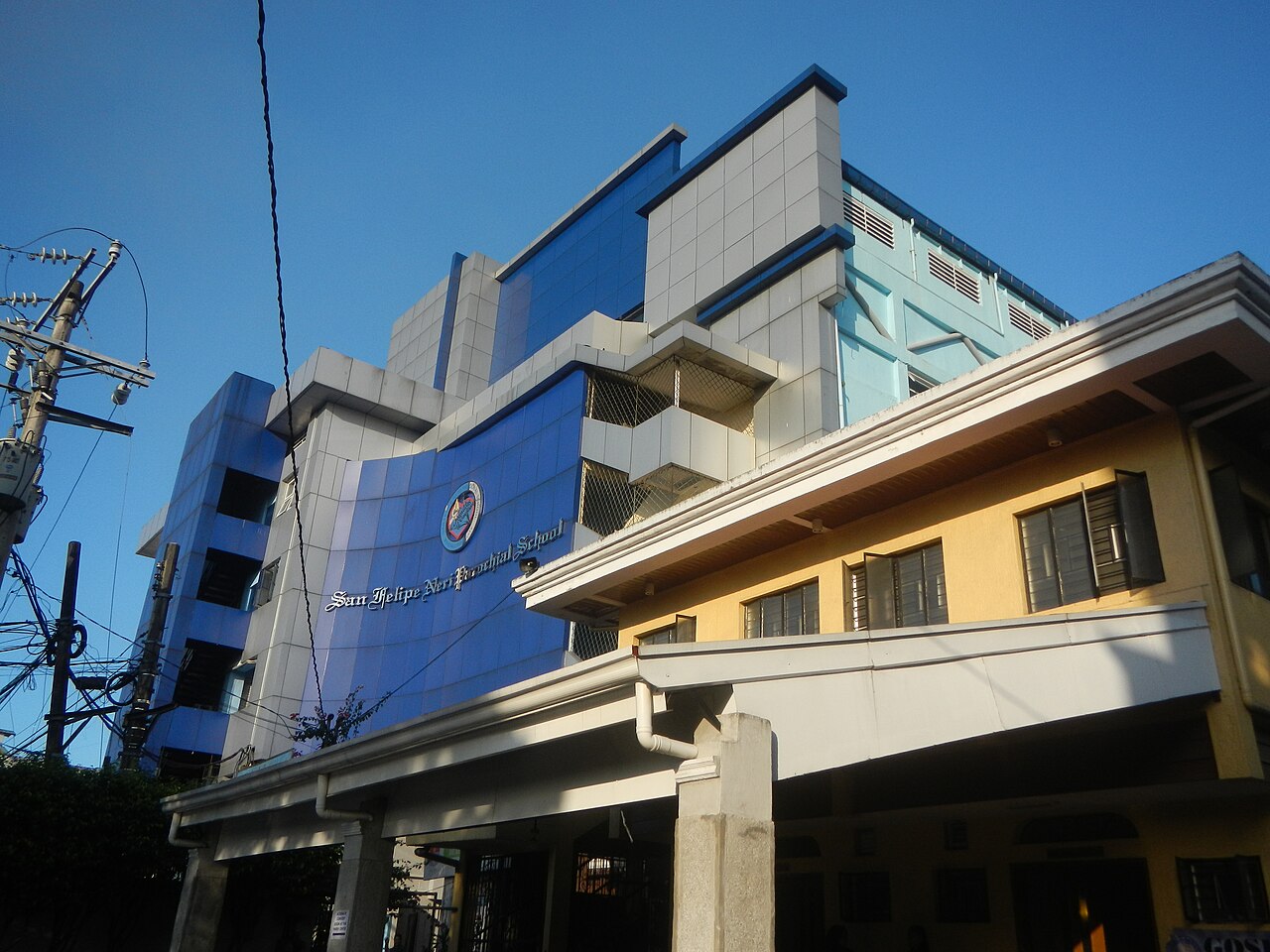
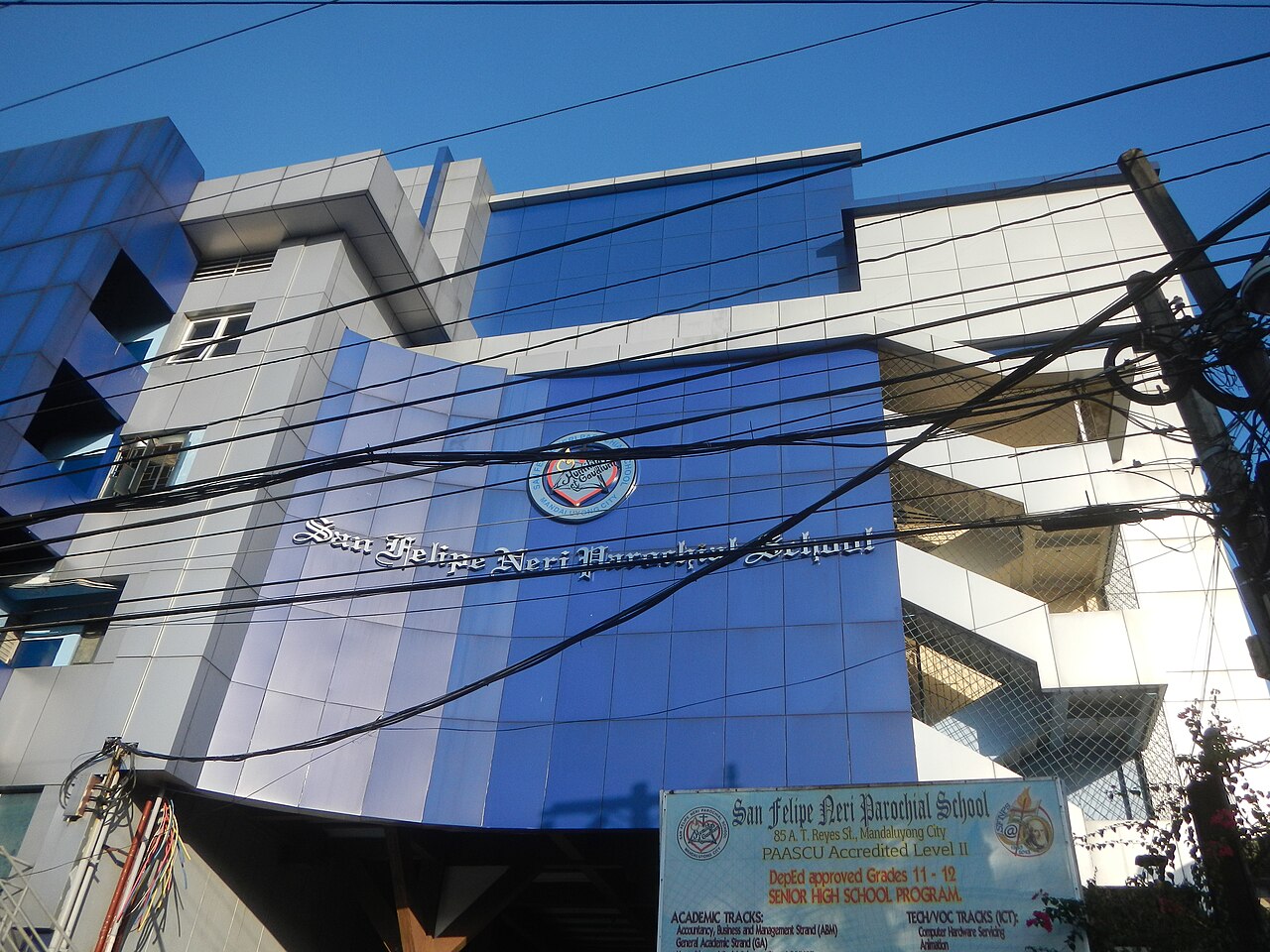
A parochial school is a private primary or secondary school affiliated with a religious organization, whose curriculum includes general religious education in addition to secular subjects such as science, mathematics, and language arts. The term derives from 'parish,' and historically such schools were the educational wing of the local parish church. Christian parochial schools are often called 'church schools' or 'Christian schools,' while schools of other faiths are not usually termed 'parochial' due to the term's historical association with Christian parishes.
- type
- Private religious primary/secondary school
- affiliations
- Christian (Catholic, Church of England, Lutheran, Seventh-day Adventist, etc.), Jewish, Muslim, Hindu, Sikh
- regions
- United Kingdom, United States, Canada
- curriculum
- Religious education plus secular subjects (science, math, language arts)
- key_issue
- Selection rights, discrimination, inclusivity, government funding
Lore & Background
In the United Kingdom, parish schools from the established church formed the basis of the state-funded education system, and many schools retain a church connection while providing secular education per government standards. In 2005, the head of the Office for Standards in Education criticized faith schools for lacking appreciation of wider British society, stating that some Islamic schools were a threat to national identity. In 2007, a proposal in Swindon to create the first secular state school was approved and opened as Swindon Academy, a secular state school, and the Krishna-Avanti Hindu school made vegetarianism a condition of entry. In 2008, a House of Commons committee raised concerns about expanding faith schooling, with the Association of Teachers and Lecturers warning that divisions in society would be exacerbated.
Reader's Guide
In the United States, most parochial schools have historically been Catholic schools, often elementary schools attached to a local parish, as well as schools run by Seventh-day Adventists, Episcopalians, Lutherans, Calvinists, and Orthodox Jews. Since the 1960s, thousands of Fundamentalist religious schools have been founded, especially in the South, though they are not usually called 'parochial.' Conservative Mennonites, Amish, and Old Order Mennonites operate their own schools, with the Old Order referring to theirs as 'parochial.' Catholic private and college preparatory schools also exist and are not necessarily connected with a parish. Generally, Catholic parochial schools are open to all children in the parish, functioning as quasi-public educational networks supported by donations rather than taxes. The Wisconsin Evangelical Lutheran Synod operates the fourth largest private school system in the United States. Faith schools in England follow the national curriculum, and voluntary-aided schools can discriminate against teachers on grounds of religious opinions.
Did You Know?
- The word 'parochial' comes from the same root as 'parish'.
- In 2007, the Krishna-Avanti Hindu school in London made vegetarianism a condition of entry.
- In 2005, the head of the Office for Standards in Education said some Islamic schools were a 'threat to national identity'.
Origins and the Meaning of Parochial
The term parochial school traces its roots to the word parish, reflecting the institution's origins as the educational arm of a local parish church. In its earliest form, these schools served as the learning extension of a congregation, blending religious instruction with the practical subjects children needed for daily life. Today, a parochial school is understood as a private primary or secondary institution tied to a religious body, offering a curriculum that weaves together general religious education with secular disciplines like science, mathematics, and language arts. While Christian-affiliated institutions commonly go by the names church school or Christian school, the label parochial carries a specifically Christian historical weight. Religious schools connected to Jewish, Muslim, or other faith communities exist alongside them, yet they are rarely described as parochial precisely because the term's etymology is anchored in the Christian parish tradition. This linguistic distinction reveals how deeply the concept of local, faith-rooted education is embedded in Western Christian history, even as the broader category of faith-based schooling now spans many traditions.
Faith Schools in the English and British System
In the United Kingdom, the legacy of parish schools is woven directly into the fabric of public education. Schools originally established by the established church of each constituent country became the foundation upon which the state-funded system was built. Many of these institutions still carry a visible church connection while delivering essentially secular education under government-set standards. In England, they frequently appear as primary schools designated either C.E. School or C.E. (Aided) School, the latter indicating partial Church of England funding, which is the more common arrangement. All follow the same national curriculum as state schools, and religious education in Church of England schools is overseen by the local diocese without consuming significantly more timetable space than in secular counterparts.
Inclusivity, Discrimination, and Political Debate
Who belongs in a faith school has been a flashpoint in Britain. In 2005, David Bell, head of the Office for Standards in Education, warned that faith-based schooling risked producing young people with limited awareness of broader civic responsibilities, singling out Islamic schools as a threat to national identity. Discrimination rulings added tension: the Jewish Free School in north London was found guilty of favouring children born to Jewish mothers, and the Krishna-Avanti Hindu school made vegetarianism and parental abstinence from alcohol conditions of entry. In January 2008, the House of Commons select committee voiced concern over expanding faith schooling, while Mary Bousted of the Association of Teachers and Lecturers asked why public taxes should fund institutions that exclude the majority.
Scotland's Distinct Parish School Heritage
Scotland's relationship with faith-based education follows a path distinct from England and Wales, shaped by its own Reformation-era history. While maintaining a strong Catholic ethos, Scottish Catholic schools have long welcomed pupils from other faith backgrounds, though they tend to give precedence to non-Catholics who come from families of faith. Employment practices reflect the church connection: the hiring of non-Catholics or lapsed Catholics can be restricted, and in some dioceses, applicants baptised as Catholic must present a certificate signed by their parish priest, with the rigour of approval varying by diocese.
Gallery
Frequently Asked Questions
What is a parochial school?
A parochial school is a private primary or secondary institution tied to a religious body that blends faith-based instruction with standard academic subjects. It functions as the educational arm of a local congregation or parish rather than a public government school.
What does the curriculum at a parochial school include?
Students study religious education alongside secular disciplines such as science, mathematics, and language arts within a single integrated program. The faith component is woven into the broader academic schedule rather than existing as a separate track.
Why is the term 'parochial' used for these schools?
The word derives from 'parish,' reflecting the historical reality that these schools originated as the teaching wing of a local Christian parish church. The label has persisted even as similar institutions run by other faith traditions adopted different names.
Which religious groups operate parochial schools?
Christian denominations including the Catholic, Church of England, Lutheran, and Seventh-day Adventist churches are the most common operators, though Jewish, Muslim, Hindu, and Sikh communities also run comparable institutions. In common usage, the specific word 'parochial' is reserved for Christian-affiliated schools, while other faiths' schools go by different designations.
What are the biggest debates surrounding parochial schools?
Ongoing discussions center on student selection rights, whether religious criteria in admissions amount to discrimination, how inclusive these institutions ought to be, and whether public funding should flow to them. These tensions play out most visibly across the UK, the US, and Canada, where such schools are most prevalent.
More in Education & Schools 1-24
Elsewhere in the Education & Schools universe
Spotted an error? Know more?
This is a living reference — every entry is fact-audited, and reader corrections feed straight into our audit queue. Suggest an edit · See this site's audit record