
Stanford University
One of the top education schools in the United States, offering graduate programs in over 25 specializations.

via Wikipedia: Stanford University Graduate School of Education · see source
The Stanford University Graduate School of Education (Stanford GSE or GSE) is one of the top education schools in the United States. It offers master's and doctoral programs in more than 25 areas of specialization, along with joint degrees with other programs at Stanford University including business, law, and public policy. The current dean of Stanford GSE (since 2015) is Daniel L. Schwartz.
- founded
- 1885
- opened
- 1891
- founders
- Leland and Jane Stanford
- location
- Stanford, California, United States
- type
- Private research university
- known_for
- Silicon Valley origins, high research activity, athletic success
Verified Timeline
Lore & Background
The Department of the History and Art of Education was one of the original twenty-one departments at Stanford University. Ellwood Patterson Cubberley was the department chair from 1898 to 1917. One of his first hires was Lewis Terman, who modified a French intelligence test to create the Stanford-Binet intelligence scale. Released in 1916, it became the standard intelligence test in the United States and brought worldwide fame to Terman and to Stanford. The department awarded its first Ph.D. in 1916, and in 1917 it was renamed the Stanford University School of Education (SUSE). Cubberley became the first dean of the School of Education and served in that position until 1933. The Graduate School of Education building, funded in large part by a donation from Cubberley, and Cubberley Library were both built in 1938. In 2013 the school's name was changed to the Stanford Graduate School of Education to better reflect its advanced research and its graduate-level preparation of educators, scholars, policy makers and entrepreneurs.
Reader's Guide
The Stanford Teacher Education Program (STEP), to train teachers, was established in 1959. The STEP program offers two tracks, elementary or secondary. Both are one-year programs including both academic course work and teaching in actual classrooms, and both lead to a Stanford MA degree and a California teaching credential. The school also offers numerous professional development programs and resources for practicing elementary and secondary school teachers. These include the Center for the Support of Excellence in Teaching, the National Board Resource Center, the Problem-Solving Cycle, and Stanford English Learner Education Services. The Berman Archive (previously the Berman Jewish Policy Archive), housed at the School of Education, is a centralized electronic database of Jewish communal policy research. Its collection contains more than 20,000 documents, with holdings spanning from 1900 until today. It also is connected to the Jewish Survey Question Bank, a freely available repository of survey tools and questionnaires. The BJPA partners with the North American Jewish Data Bank; together they source the largest publicly available collection of Jewish policy research. The BJPA was established through the Mandell L. and Madeleine H. Berman Foundation, the Charles H. Revson Foundation, and continued with support from the Jim Joseph Foundation. The director and founder is Steven M. Cohen. The associate director is Ari Y. Kelman. Ever since U.S. News & World Report began ranking schools of education, Stanford has ranked among the top ten overall in the United States and has received the top peer assessment score of any school each year.
Did You Know?
- The Stanford-Binet intelligence scale, released in 1916, became the standard intelligence test in the United States and brought worldwide fame to Lewis Terman and to Stanford.
- The Graduate School of Education building and Cubberley Library were both built in 1938, funded in large part by a donation from Ellwood Patterson Cubberley.
- The Stanford Teacher Education Program (STEP) was established in 1959 and offers two tracks, elementary or secondary, both leading to a Stanford MA degree and a California teaching credential.
- The Berman Jewish Policy Archive contains more than 20,000 documents, with holdings spanning from 1900 until today.
- Ever since U.S. News & World Report began ranking schools of education, Stanford has received the top peer assessment score of any school each year.
Foundations & the Terman Legacy
The Graduate School of Education traces its roots to one of the twenty-one founding departments at Stanford University. Ellwood Patterson Cubberley, who led the History and Art of Education department from 1898 through 1917, made a hire that would echo far beyond campus walls: Lewis Terman. Terman took a French intelligence test and reshaped it into what became the Stanford-Binet scale, released in 1916. That instrument went on to become the standard intelligence assessment in the United States, granting both Terman and the university a measure of worldwide recognition that still colors the school's identity. The department awarded its very first doctoral degree that same year, and in 1917 it was formally elevated and renamed the Stanford University School of Education, with Cubberley stepping into the role of its first dean—a position he held until 1933. His generosity also left a physical mark: the Graduate School of Education building and the Cubberley Library, both completed in 1938, were funded in large part by his personal donation.
Training the Next Generation of Educators
When Stanford launched the Stanford Teacher Education Program in 1959, it set out to produce classroom-ready educators through a deliberately hands-on model. STEP offers two distinct tracks—one for aspiring elementary teachers and another for secondary-level instructors—and both follow the same one-year structure. Students move between rigorous academic coursework and actual time spent teaching in real schoolrooms, and upon completion they earn a Stanford master's degree alongside a California teaching credential. Beyond the initial training pipeline, the school has built a broad ecosystem of ongoing professional development for teachers already in the field. Resources include the Center for the Support of Excellence in Teaching, the National Board Resource Center, a structured Problem-Solving Cycle, and dedicated Stanford English Learner Education Services. Together these offerings ensure that the school's influence extends well past the first year of a teacher's career, supporting practitioners as they refine their craft across elementary and secondary settings.
The Berman Jewish Policy Archive
Housed within the Graduate School of Education is a research repository that stands apart from the school's core education mission: the Berman Jewish Policy Archive. Founded by Steven M. Cohen and now also guided by associate director Ari Y. Kelman, the archive serves as a centralized electronic database devoted to Jewish communal policy research. Its holdings exceed twenty thousand documents, with materials stretching from the year 1900 to the present day. The archive is also linked to the Jewish Survey Question Bank, a freely accessible collection of survey instruments and questionnaires. In partnership with the North American Jewish Data Bank, the two organizations jointly source what is described as the largest publicly available body of Jewish policy research. The archive was established through the combined support of the Mandell L. and Madeleine H. Berman Foundation and the Charles H. Revson Foundation, with ongoing backing from the Jim Joseph Foundation keeping its collections growing.
Rankings, Identity & the Graduate Focus
Stanford's education school has maintained a consistently elite standing in national rankings. Ever since U.S. News & World Report began publishing its list of schools of education, Stanford has placed within the top ten in the country, and it has earned the highest peer assessment score of any school on that list every single year. The institution's identity as a graduate-level powerhouse was made explicit in 2013, when the school officially changed its name to the Stanford Graduate School of Education. The rename was intended to better signal what the school actually does: advanced research and the graduate-level preparation of educators, scholars, policy makers, and entrepreneurs. Today the school offers master's and doctoral programs spanning more than twenty-five areas of specialization, and it extends joint degree pathways into Stanford's business, law, and public policy programs. Daniel L. Schwartz has served as dean since 2015, guiding the school through this distinctly graduate-oriented era.
Gallery
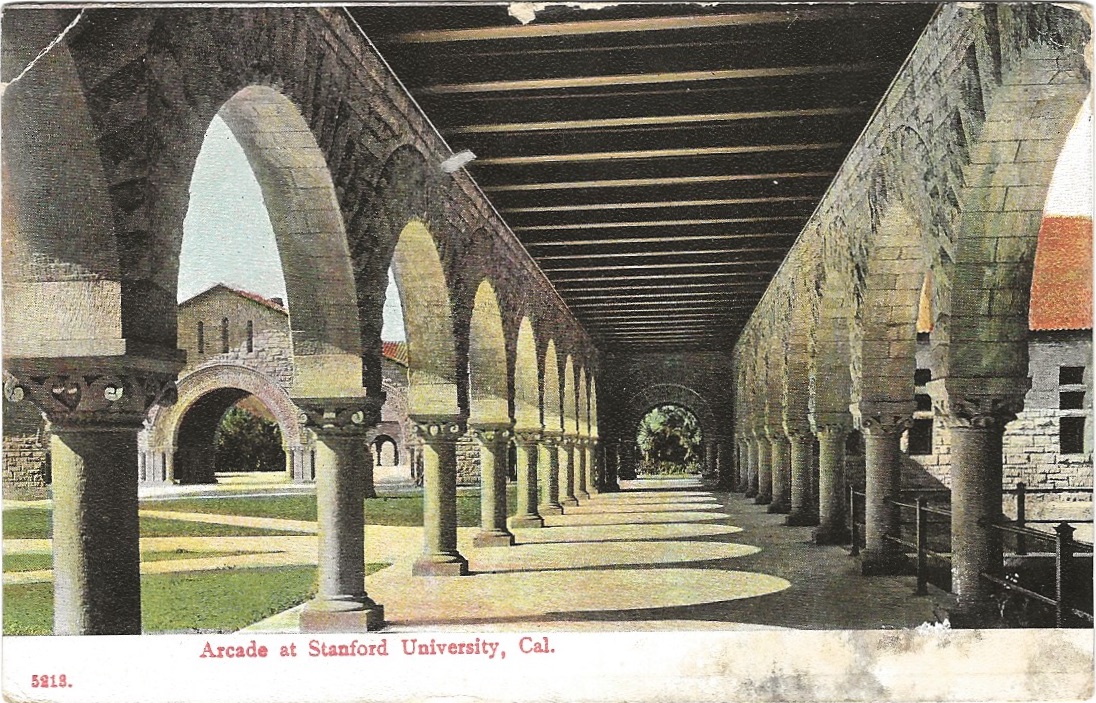





Frequently Asked Questions
What is Stanford University?
Stanford University, formally called Leland Stanford Junior University, is a private research institution based in Stanford, California. It operates as a coeducational and non-denominational school.
Who founded Stanford University and why?
Railroad magnate and former California governor Leland Stanford together with his wife Jane established the school in 1885 as a memorial to their only son, Leland Jr. The campus welcomed its first students in 1891.
What is Stanford University most known for?
The university is widely credited with helping spark the creation of Silicon Valley and is recognized for its intense research output and strong competitive athletics programs.
When did Stanford open and where is it located?
Stanford opened its doors in 1891 in the city of Stanford, California, after being chartered in 1885. Its campus sits in the broader San Francisco Bay Area tech corridor.
Why is Stanford University considered important in education?
As a top-tier private research university, Stanford has driven major advances in science, technology, and business. Its faculty, alumni, and research labs have played a defining role in shaping the modern tech industry and global scholarship.
More in Education & Schools 25-32
Elsewhere in the Education & Schools universe
Spotted an error? Know more?
This is a living reference — every entry is fact-audited, and reader corrections feed straight into our audit queue. Suggest an edit · See this site's audit record