
Seoul National University
A public research university in Seoul, South Korea, founded in 1946.

U.S. Department of State from United States · Public domain
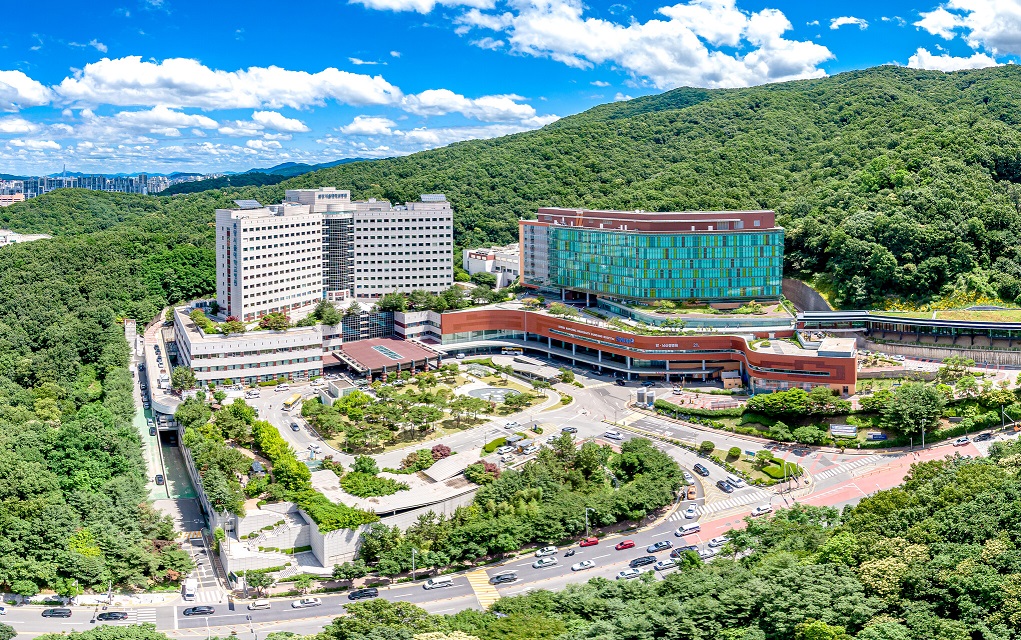
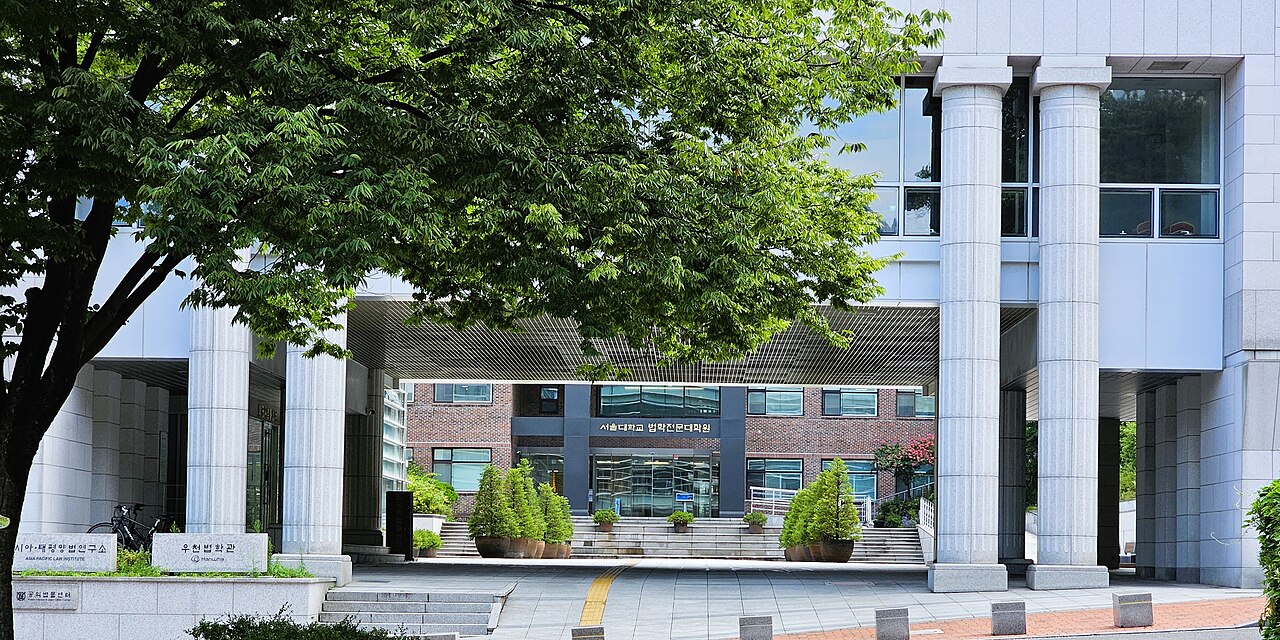
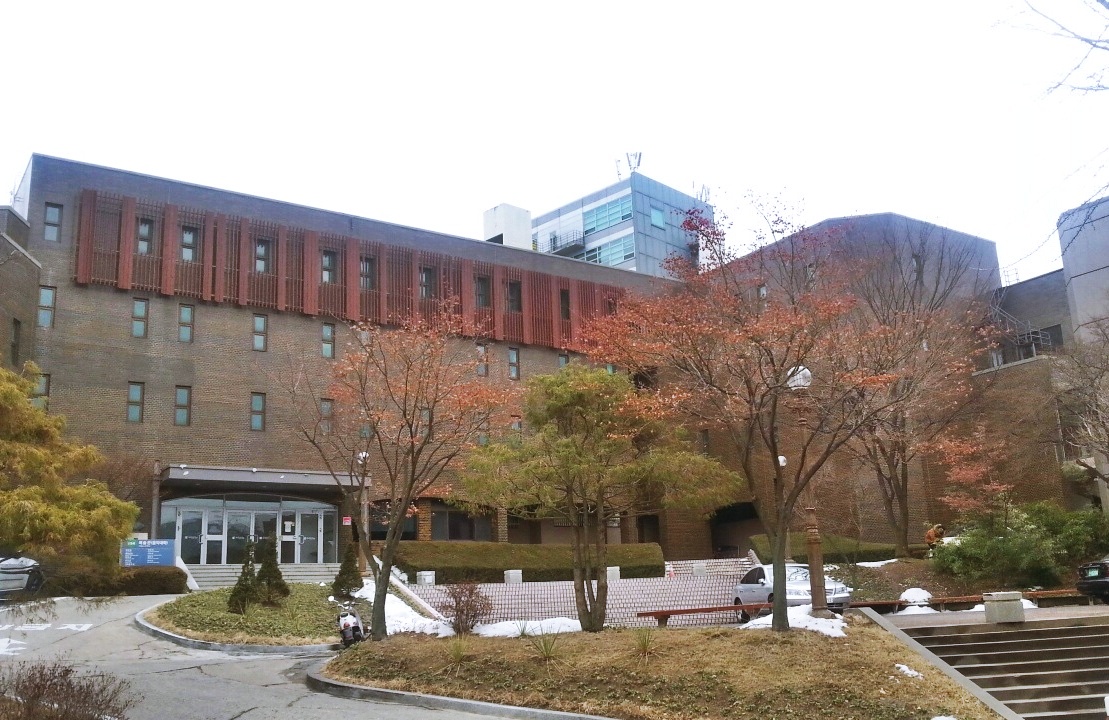
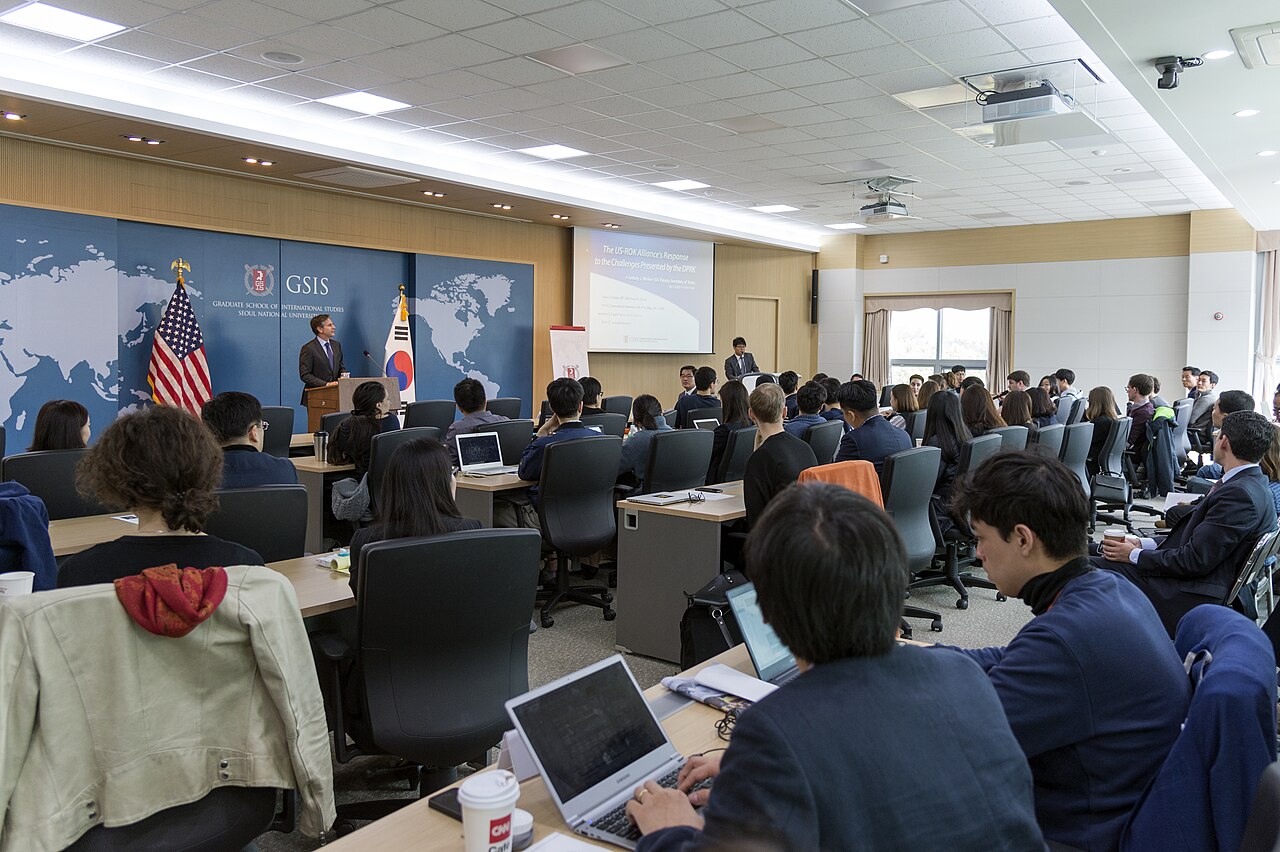
Seoul National University (SNU; Korean: 서울대학교; lit. 'Seoul University') is a public research university in Seoul, South Korea. Founded in 1946 by the merger of ten institutions in the Seoul area, it is one of the SKY universities and a part of the Flagship Korean National Universities. The university's main campus is located in Gwanak, and two additional campuses are located in Daehangno and Pyeongchang. The university comprises sixteen colleges, one graduate school and nine professional schools. The student body consists of nearly 16,000 undergraduate and 16,000 graduate students.
- Founded
- August 27, 1946
- Type
- Public research university
- Location
- Seoul, South Korea
- Campuses
- Gwanak (main), Daehangno (Yeongeon), Pyeongchang
- Student body
- Nearly 16,000 undergraduate and 16,000 graduate students
- Colleges
- Sixteen colleges, one graduate school, nine professional schools
Verified Timeline
Lore & Background
Seoul National University originates from various educational institutions established by King Gojong of the Joseon dynasty. By means of a royal order, the law academy Beopkwan Yangseongso was founded on March 25, 1895, producing 209 graduates including the later envoy Yi Tjoune. Hanseong Sabeomhakgyo (established in 1895), a training school for teachers, and Euihakkyo (1899), a medical school, are also considered origins of respective colleges. During Japanese rule, Keijō Imperial University was established. After World War II and Korean independence, the name changed from Keijō Teikoku Daigaku to Gyeongseong Daehak. SNU was founded on August 27, 1946, by merging ten institutions: Gyeongseong University, Gyeongseong College of Education, Gyeongseong Women's College of Education, Gyeongseong Law College, Gyeongseong Industrial College, Gyeongseong Mining College, Gyeongseong Medical College, Suwon Agriculture College, Gyeongseong College of Economics, and Gyeongseong Dentistry College. The first president was Harry Bidwell Ansted. For over a year and a half, a protest movement by students and professors against the U.S. military government's merger law resulted in 320 professors fired and more than 4,950 students leaving. The second president was Lee Choon-ho, serving from October 1947. In 1950, during the Korean War, the university was occupied by North Korea, during which the Seoul National University Hospital massacre occurred. The university temporarily moved to Busan and merged with other universities.
Reader's Guide
Seoul National University is a leading institution formed from a merger of ten pre-existing colleges, tracing its roots to late 19th-century reforms under King Gojong. Its establishment in 1946 marked a post-independence consolidation of higher education in Seoul. The university's history includes early turmoil, with a major protest against U.S. military government policies leading to 320 professors fired and over 4,950 students leaving, and disruption during the Korean War when the university was occupied by North Korea and the Seoul National University Hospital massacre occurred. Its relocation to the Gwanak campus between 1975 and 1979 was prompted by President Park Chung Hee, who disliked student protests at the site where the Gwanak golf club was formerly located. SNU's admissions are extremely competitive: from 1981 to 1987, when an applicant could apply only to one university at a time, more than 80% of the top 0.5% scorers in the annual government-administered scholastic achievement test applied to SNU and many were unsuccessful. The university's library holds 5.2 million volumes, over 260,000 academic journals and e-journals, and over 230,000 non-book materials as of 2022. In 2012, lawmakers reported that the ruling Saenuri Party seriously proposed relocating the university to Sejong City as part of a decentralization effort, though the university had considered withdrawing from the plan the following year. SNU initiated a memorandum in February 2010 with the city of Siheung to establish a global campus, acquiring 826 thousand m2 of property, which would increase the university's size by 58% and headcount by an expected 10,000 people or 33%.
Did You Know?
- The law academy Beopkwan Yangseongso, founded on March 25, 1895, produced 209 graduates including the later envoy Yi Tjoune.
- During a protest against the U.S. military government's merger law, 320 professors were fired and more than 4,950 students left the school.
- In 1950, during the Korean War, the university was occupied by North Korea and the Seoul National University Hospital massacre occurred.
- From 1981 to 1987, more than 80% of the top 0.5% scorers on the national scholastic achievement test applied to SNU, and many were unsuccessful.
- The university's library holds 5.2 million volumes, over 260,000 academic journals and e-journals, and over 230,000 non-book materials as of 2022.
From Royal Decrees to a National Institution
SNU's roots stretch back to the late 19th century, when King Gojong of the Joseon dynasty sought to modernize Korea's educational landscape. A royal order on March 25, 1895, established the law academy Beopkwan Yangseongso, which produced 209 graduates including the later envoy Yi Tjoune. That same year, Hanseong Sabeomhakgyo, a training school for teachers, opened, and by 1899 a medical school, Euihakkyo, followed—eventually evolving through name changes to Daehan Euiwon Gyoyukbu and Gyeongseong Euihak Jeonmunhakgyo before becoming SNU's College of Medicine. A nursing department added in 1901 became the forerunner of the later College of Nursing. During Japanese rule, Keijō Imperial University was established as one of Japan's nine imperial universities. After World War II and Korean independence, the name changed from Keijō Teikoku Daigaku to Gyeongseong Daehak, with the Hanja read in Korean and 'Imperial' removed and changed to 'National'. On August 27, 1946, ten separate higher-education institutions across the Seoul area were formally merged to create Seoul National University.
Protests, War, and Survival
The university's first years were marked by intense political upheaval. Under its inaugural president, Harry Bidwell Ansted, students and faculty mounted a sustained protest lasting over a year and a half against a U.S. military government decree that mandated the merging of colleges. The crackdown was severe: 320 professors were dismissed and more than 4,950 students left the school. Lee Choon-ho took the helm in October 1947, but the institution faced an even graver threat in 1950, when North Korean forces occupied the campus during the Korean War. During that occupation, the Seoul National University Hospital massacre took place. The university was forced to relocate temporarily to Busan, where it merged with other South Korean universities to keep operations alive. This period of displacement and loss left a lasting imprint on the institution's identity.
A Fortress of Fierce Competition
Gaining a seat at SNU is extraordinarily difficult. During the period from 1981 to 1987, when applicants could submit to only one university per cycle, more than 80% of the top 0.5% scorers on the national scholastic achievement test applied to SNU—and many of them were still unsuccessful. Today the university houses nearly 16,000 undergraduates and 16,000 graduate students spread across sixteen colleges offering 83 undergraduate degree programs. Postgraduate study is organized through a single graduate school encompassing 99 programs across five fields of study, plus twelve professional graduate schools. Interdisciplinary programs, created and run by collaborations of two or more departments, add another layer of academic breadth. As a member of the SKY universities and part of the Flagship Korean National Universities, SNU maintains a reputation for being one of the most selective and academically demanding institutions in the country.
Three Campuses and a Relocation Saga
SNU's physical footprint has shifted dramatically over the decades. The original main campus sat in Dongsung-dong, Jongno District, housing the College of Humanities and Sciences and the College of Law. In February 1975 a new main campus opened in Gwanak District, and between 1975 and 1979 most colleges migrated there at the request of President Park Chung Hee, who disliked the student protests at the site where the Gwanak golf club (founded in the early 1960s and relocated to Hwaseong) was formerly located. The former Jongno site, now called Yeongeon Campus, still serves the Colleges of Medicine, Dentistry, and Nursing. A third campus exists in Pyeongchang County, Gangwon Province. In 2012, lawmakers reported that the ruling Saenuri Party seriously proposed relocating the university to the newly established special autonomous Sejong City as part of a decentralization effort, a plan the university reportedly considered withdrawing from the following year.
Gallery
Frequently Asked Questions
What is Seoul National University?
SNU is a publicly funded research institution based in South Korea's capital city. It sits alongside Korea University and Yonsei University as one of the country's most elite academic brands, often grouped under the "SKY" label.
How was Seoul National University established?
The university came into existence on August 27, 1946, when nine separate educational institutions in the Seoul region were consolidated into a single entity. This merger created the foundation for what would become a leading national research university.
Where are Seoul National University's campuses located?
The main campus sits in the Gwanak district of Seoul, while two additional sites operate in Daehangno (Yeongeon) and Pyeongchang. This multi-campus setup spans both urban and more rural settings.
How large is Seoul National University's student body and academic structure?
SNU enrolls roughly 16,000 undergraduates and a matching number of graduate students. Its academic offerings are organized across sixteen colleges, one graduate school, and nine professional schools.
Why is Seoul National University considered so important in South Korea?
As a flagship national university, SNU serves as a benchmark for academic excellence and research output in the country. Its public status and long history since 1946 make it a central pillar of South Korea's higher-education landscape.
More in Education & Schools 25-32
Elsewhere in the Education & Schools universe
Spotted an error? Know more?
This is a living reference — every entry is fact-audited, and reader corrections feed straight into our audit queue. Suggest an edit · See this site's audit record